物質が示す
量子効果の探求
次世代の超高効率
エネルギー変換の礎を築く
Laying the Foundation for
Next-Generation Energy Conversion
About
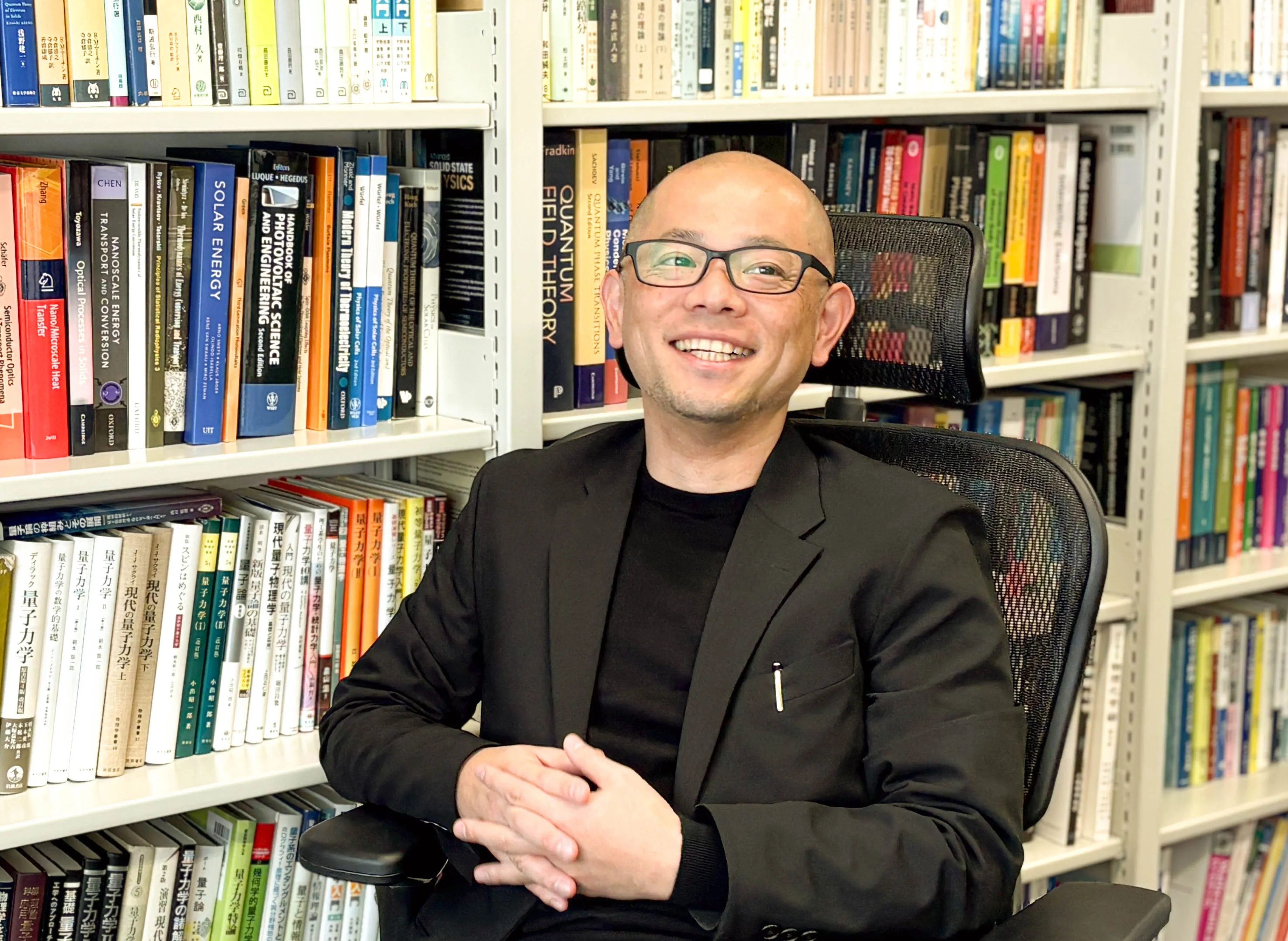
Satoru Konabe 小鍋 哲
Ph.D. (Science)
Field Condensed Matter Theory
- Professor, Department of Environmental Applied Chemistry
Faculty of Bioscience and Applied Chemistry, Hosei University -
Visiting Professor, Nanocarbon Research Division
Research Institute for Science and Technology, Tokyo University of Science
-
2023 -
Professor
Department of Environmental Applied Chemistry,
Faculty of Bioscience and Applied Chemistry, Hosei University -
2023 -
Visiting Professor
Research Institute for Science and Technology,
Tokyo University of Science -
2020 - 2021
Visiting Associate Professor
Institute of Advanced Energy, Kyoto University
-
2018 - 2024
Collaborative Researcher
Quantum Engineering Team,
National Institute of Advanced Industrial Science and Technology (AIST) -
2018 - 2023
Associate Professor
Faculty of Bioscience and Applied Chemistry, Hosei University
-
2018 - 2023
Visiting Associate Professor
Research Institute for Science and Technology,
Tokyo University of Science -
2015 - 2018
Lecturer
Research Institute for Science and Technology,
Tokyo University of Science -
2015
Assistant Professor
Research Institute for Science and Technology,
Tokyo University of Science -
2015
Assistant Professor
Research Institute for Science and Technology,
Tokyo University of Science -
2010 - 2015
Researcher
Division of Physics, University of Tsukuba
-
2008 - 2010
Contract Assistant Professor
Department of Physics, Faculty of Science,
Tokyo University of Science -
2008
Research Fellow
Department of Physics, Faculty of Science,
Tokyo University of Science -
2008
Ph.D. (Science)
Doctoral Program in Physics,
Graduate School of Science, Tokyo University of Science -
2007
Visiting Researcher
Department of Physics, University of Toronto
(Prof. Allan Griffin) -
2005 - 2008
Research Fellow (DC1)
Japan Society for the Promotion of Science (JSPS)
-
2005
M.S. in Physics
Graduate School of Science, Tokyo University of Science
-
2003
B.S. in Physics
Department of Physics, Faculty of Science,
Tokyo University of Science
Approach
Theoretical elucidation of quantum-mechanical phenomena
to build the foundation for next-generation
energy conversion technologies
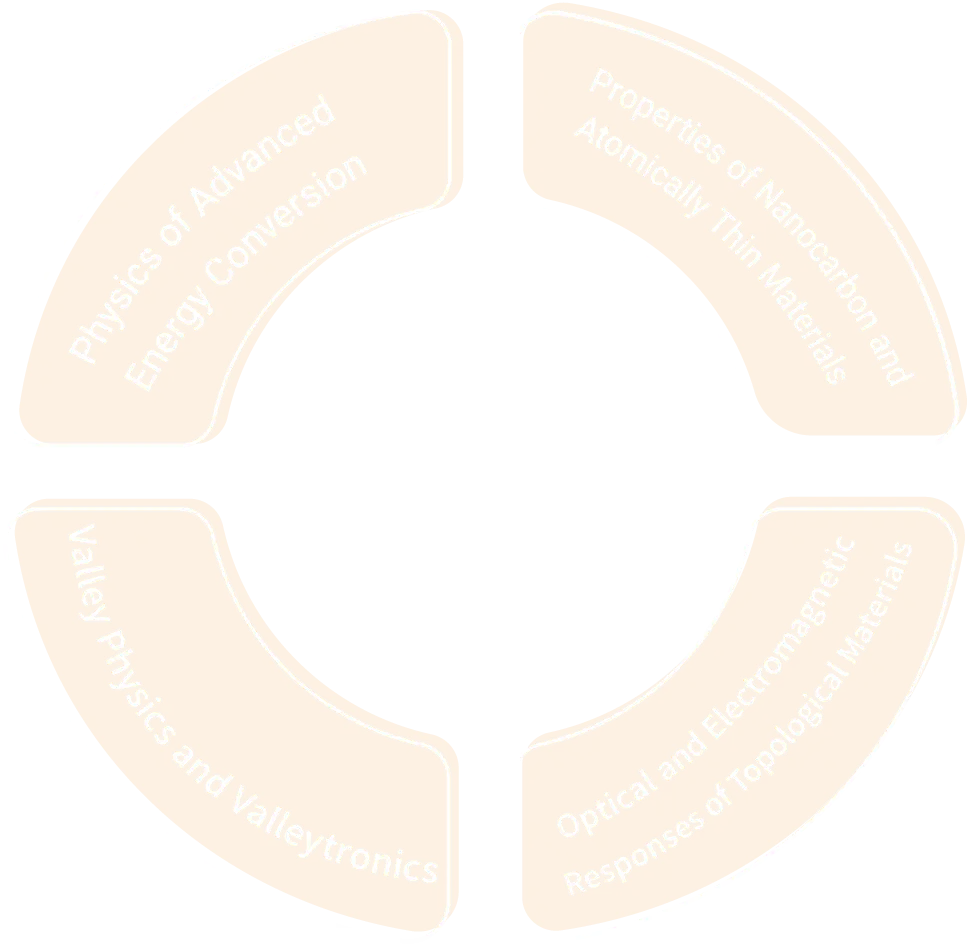
We conduct theoretical and computational studies on the electronic and optical properties of nanomaterials.
Our recent work focuses on the physics and materials science of energy harvesting, aiming to discover energy-conversion processes that surpass conventional efficiency limits and to identify materials that can realize them.
Our ultimate goal is to contribute, from the standpoint of physics and materials science, to the realization of a sustainable and clean society — one of humanity’s most pressing challenges.
-
1. Physics of Advanced Energy Conversion
新規エネルギー変換の物理We theoretically clarify and explore mechanisms for energy conversion — from light to electricity (photovoltaic effect), from heat to electricity (thermoelectric effect), and from heat to light and then to electricity (thermophotovoltaic effect) — based on new physical processes that arise from the interplay of electrons, light, and heat in materials.
These studies provide guiding principles for designing next-generation high-efficiency solar cells and thermoelectric conversion devices.
-
2. Properties of Nanocarbon and Atomically Thin Materials
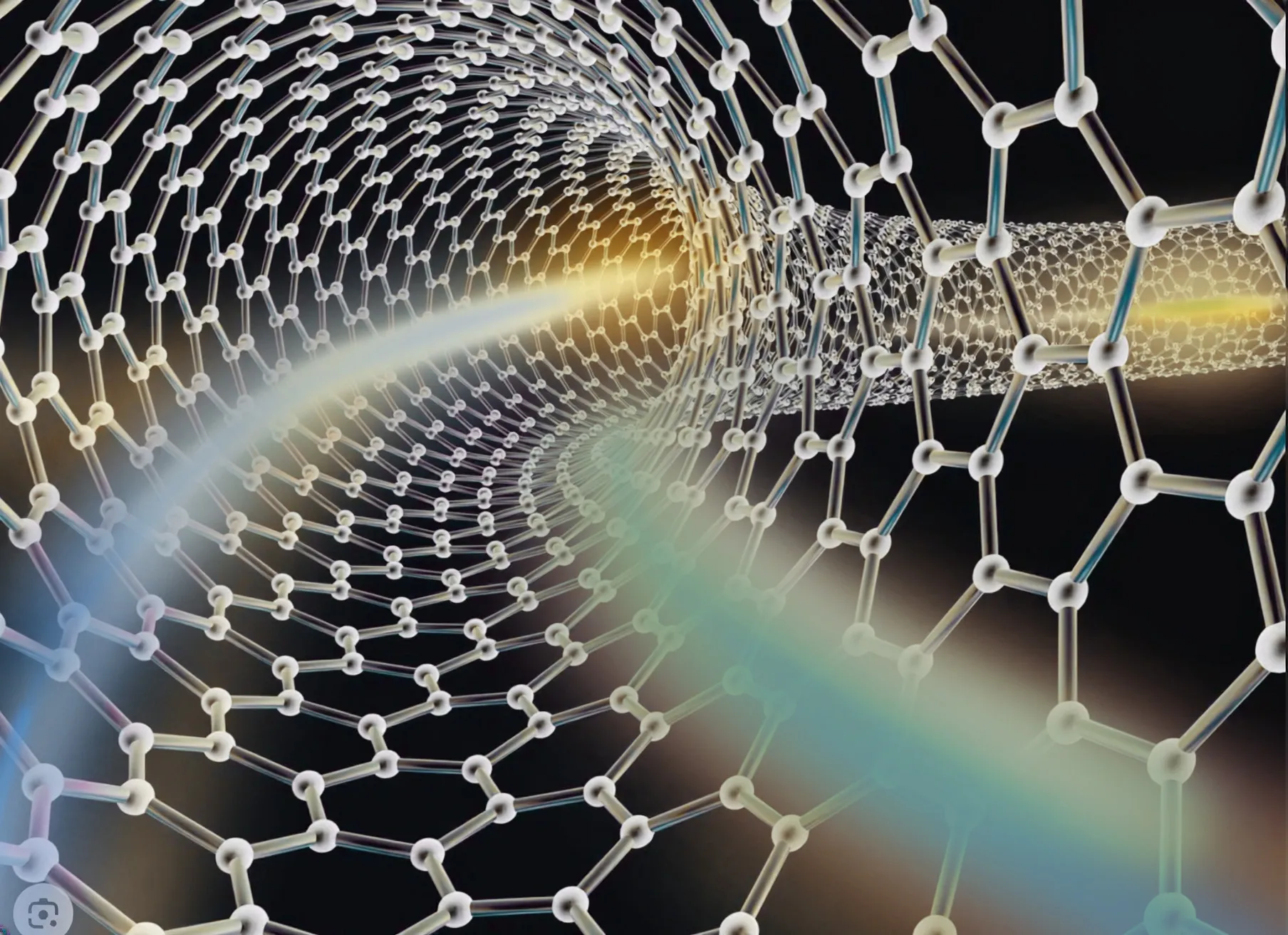
ナノカーボン・原子層物質の物性We theoretically investigate the electronic and optical properties of nanocarbon materials, typified by carbon nanotubes, and atomically thin materials with a thickness of only a single atomic layer.
By harnessing their unique properties, we aim to realize ultrafast transistors and novel optical devices based on new physical principles.

-
3. Valley Physics and Valleytronics
バレー物性とバレートロニクスBeyond charge and spin, electrons possess an additional degree of freedom called the “valley.” We aim to establish the fundamental theory of valleytronics — a new type of electronics that utilizes valley degrees of freedom as information carriers.
This research could enable low-power, high-capacity information processing that surpasses the limits of present-day electronic devices.

-
4. Optical and Electromagnetic Responses of Topological Materials
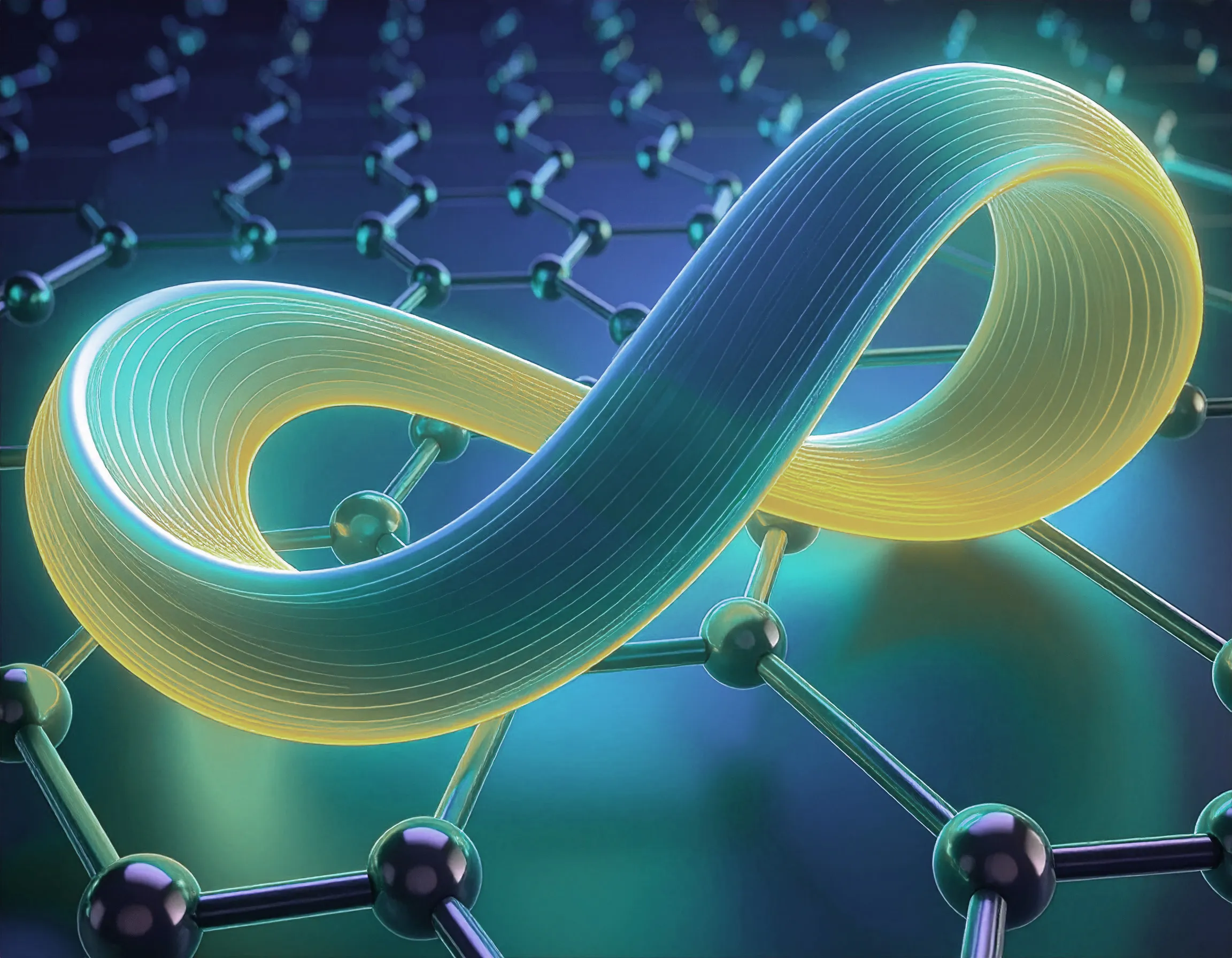
トポロジカル物質の光物性・電磁応答We theoretically investigate the optical and electromagnetic responses of topological materials — systems characterized by the topological properties of their wave functions.
This research has potential applications in robust quantum computing and high-efficiency solar energy conversion.
Contact
Satoru Konabe Laboratory
Hosei University Koganei Campus
-
184-8584 Kaji-no-cho 3-7-2, Koganei, Tokyo, Japan